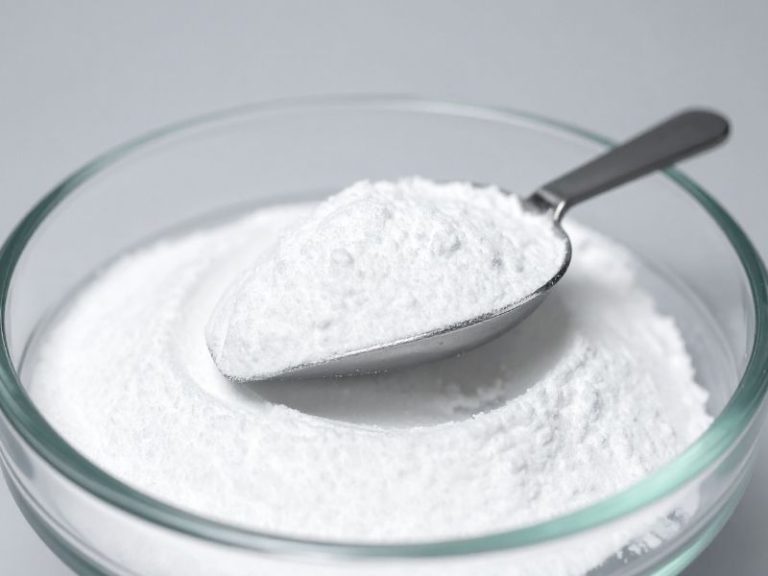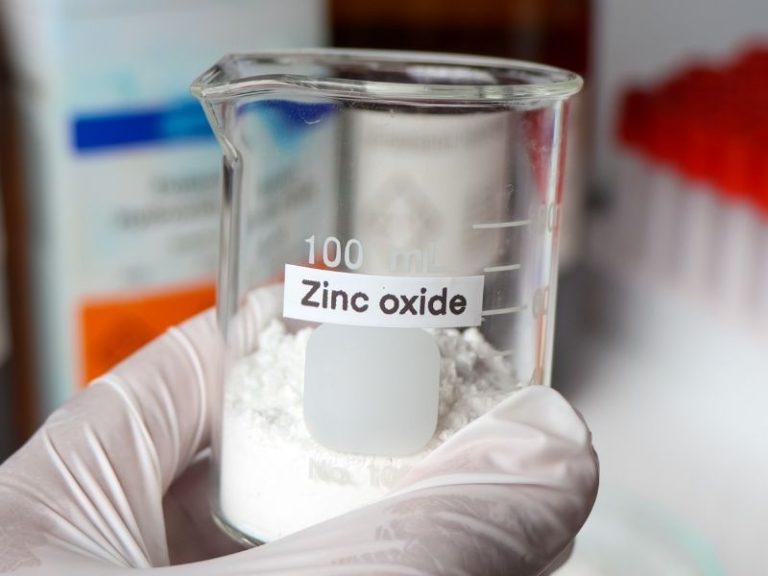
Zinc oxide use has evolved from a basic protective balm to a sophisticated ingredient in modern skincare and sun protection products. For over 2,000 years, people have turned to zinc-based preparations to help with burns and wounds, with records dating back to ancient Indian medicinal scripts around 500 B.C. This fine white powder continues to protect and heal our skin through various creams, ointments, and cosmetic products.
The Many Benefits of Zinc Oxide Use
Perhaps the most famous zinc oxide application is in sunscreens. Unlike chemical sunscreens that absorb UV rays, zinc oxide sits on top of the skin and acts as a physical barrier, reflecting both UVA and UVB rays away. This makes it a broad-spectrum protector, meaning it guards against both the burning rays (UVB) and the aging rays (UVA) that can penetrate deeper into the skin.
Another common zinc oxide use is in treating various skin irritations, most notably diaper rash. Zinc oxide works by forming a protective barrier on the skin that shields it from moisture and irritants while allowing damaged skin to heal beneath this protective layer.
Additionally, zinc oxide’s anti-inflammatory properties help reduce the redness and swelling associated with breakouts. Moreover, zinc oxide can help regulate oil production and act as an astringent. Helping to dry excess oil and minimize the appearance of large pores.
Possible Side Effects and Precautions
For most people, topical zinc oxide use is very safe with minimal side effects. However, as with any skincare ingredient, there are some considerations to keep in mind.
- Allergic Reactions
Although rare, some people may be allergic to zinc oxide or other ingredients in zinc oxide products. Signs of an allergic reaction include:
- Hives, itching, redness, swelling, blistered, or peeling skin.
- Wheezing or tightness in the chest or throat.
- Trouble breathing, swallowing, or talking.
- Swelling of the mouth, face, lips, tongue, or throat.
- Skin Irritation
In some cases, zinc oxide products might worsen the very condition they’re meant to treat. Zinc oxide can sometimes lead to the worsening of diaper rash. If the skin condition deteriorates after applying any zinc oxide product, stop using it and consult a doctor.
Zinc oxide use has become a cornerstone in skincare because of its versatility and reliability. Its ability to protect against sun damage, soothe irritated skin, and combat acne makes it a valuable addition to any medicine cabinet or skincare routine. While generally very safe, being mindful of potential allergic reactions and following proper application guidelines will ensure the user gets the maximum benefit from this ingredient.
About the Author